Featured Fleet Hardware & Smart Mobility Lineup
Engineered for durability, zero privacy intrusion, and seamless carrier compliance across Tokyo’s high-density mobile networks.
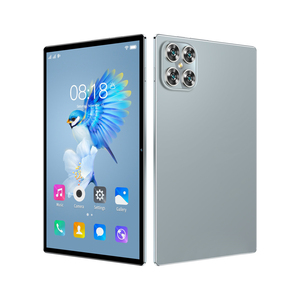
K11 Cheap 10 Inch MTK Octa Core 6762 Children's Tablet Phone Rugged Drawing Android 14 3G 4G Kids Entertainment 8GB+256GB
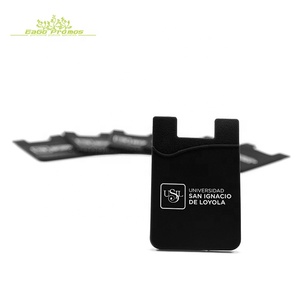
2026 Christmas Gift Useful and Cute Silicone Smart Phone Wallet Case, reusable Phone Holder Pouch With 3m Sticker
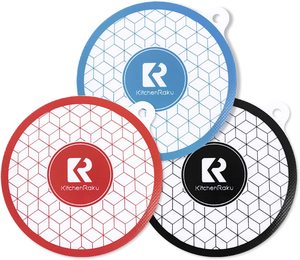
4 Pack Electric Induction Hob Protector Mat Anti-Slip Mat Silicone Cooktop Scratch Protector Cover Heat Silicone Mat
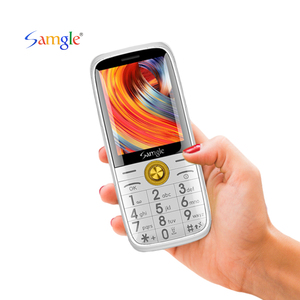
Samgle 2.4 Inch Screen Cell Phone Rugged Feature Phone 3G Keypad Phone for Senior Student Child
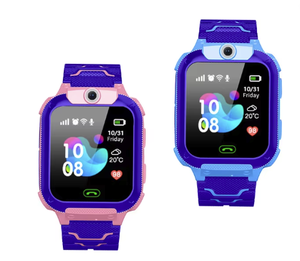
Q12B Waterproof Kids Smart Watch SOS Antil-lost Child Smartwatch Baby 2G SIM Card Clock Call Location Tracker Touch Watch
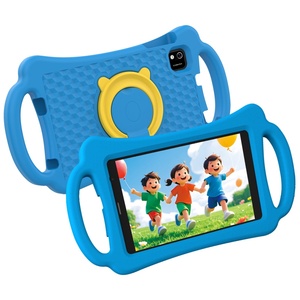
Cheap 8'' Android 13 2-in-1 Case Shockproof 4+64GB WiFi 3G WCDMA USB-C 3000mAh Educational Kids Tablet Phone 2.6GHz 256GB
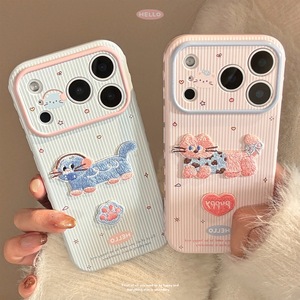
New Cute Stitching Mobile Phone case for iPhone 14 15 16 17 Pro Max Shockproof Cartoon cat Suture Wave Textured Tpu Back Cover
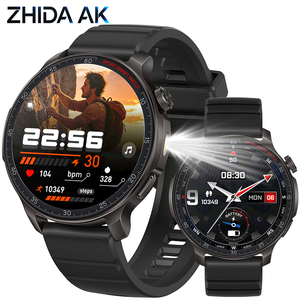
New HT48 Round Smartwatch 1.46-inch BT Call 1000mAh Sleep Exercise Monitoring Flashlight IP68 Waterproof Smartwatch Men's ODM
Navigating Tokyo’s Basic Feature Phone Market: Sunsetting 3G & The 4G VoLTE Transition
The mobile telecommunications landscape in Tokyo and across the Kantō region is undergoing an unprecedented structural transition. With major Japanese telecommunication carriers—specifically NTT Docomo, au (KDDI), and SoftBank—aggressively completing their 3G network shutdowns (the 3G Sunset), procurement managers, institutional buyers, and hardware distributors in Tokyo face a critical challenge. Legacy 3G feature phones are rapidly becoming obsolete bricks, demanding immediate replacement with advanced, high-reliability 4G VoLTE-enabled basic feature phones and specialized smart wearables.
Tokyo presents a highly specific user demographic and technical environment. Known globally for its ultra-dense urban infrastructure, extensive underground metro corridors, and aging silver population, the region demands mobile communication hardware that excels in RF antenna sensitivity, battery optimization, and strict regulatory compliance under Japan's Ministry of Internal Affairs and Communications (MIC/TELEC). Simple off-the-shelf global hardware often fails to maintain stable VoLTE calls within Tokyo's complex sub-grade transit stations or fulfill local emergency broadcasting standards such as J-Alert broadcast message parsing.
As a senior OEM/ODM manufacturer specializing in safe, purpose-built mobile communication endpoints, our hardware architecture addresses the precise Intent and Information Gain requirements sought by B2B buyers in Tokyo. We combine low-EMI circuit engineering, long-standby power management, zero-distraction tamper-proof software kernels, and localized RF band support—including LTE Band 19 (NTT Docomo Platinum Band) and Band 18/26 (au KDDI low-band spectrum).
Localized Application Scenarios across Tokyo Metropolitan Wards
Targeted deployments engineered for Tokyo's unique municipal, corporate, and residential ecosystems.
Silver Economy & Senior Care Facilities
Tokyo’s wards such as Setagaya, Hachioji, and Adachi feature high concentrations of senior citizens residing independently or in assisted care facilities. Our basic feature phones feature physical high-contrast tactile keypads, oversized Japanese typography (Kanji/Hiragana), high-decibel acoustic speakers for clear voice clarity, and physical physical SOS emergency triggers that instantly push LBS location telemetry to emergency contacts.
School Safety & Cyber-Detox for Youth
Strict school regulations across Tokyo Metropolitan Board of Education institutions restrict open smartphone usage in elementary and junior high schools. Our hardware eliminates open web browsers and unvetted app stores at the base firmware level. Devices provide essential VoLTE calling, parent-approved whitelist contacts, and real-time GPS tracking without exposure to social media addiction or cyberbullying risks.
Corporate Fleet & Construction Logistics
For industrial field staff, Tokyo Bay port logistics operators, and subway infrastructure maintenance teams, basic rugged feature phones offer extreme battery durability, shock resistance, and compliance with corporate security protocols (preventing unauthorized camera usage or data leaks in secure technical facilities).
Why Global Buyers & Tokyo Importers Partner With Us
Building tamper-proof hardware foundations with deep OS customizability and rigid quality assurance control.
| Engineering Dimension | Generic Offshore Manufacturers | Our OEM/ODM Manufacturing Standard |
|---|---|---|
| Japan Network Band Tuning | Generic Global Bands (Lacks LTE Band 19/26) | Fully Optimized for Docomo (B1/B3/B19), au (B1/B18/B26), SoftBank (B1/B3/B8) |
| Firmware & Security OS | Stock Open Android / Unsecured RTOS | Tamper-Resistant Platform OS (Zero Browser, Managed Contacts, Hardened Kernel) |
| Japanese Telecommunications Certification | Uncertified / Basic CE Only | Pre-tested TELEC (Technical Conformity Mark) & JATE Compliance Ready |
| Acoustic & Keypad Ergonomics | Standard Audio Output (<85dB) | Amplified Voice Receiver (>102dB), Tactile Backlit Keypads for Senior Vision |
| Battery & RF Efficiency | Short Standby under Dense Switching | Smart Power Management (>300 hours standby on VoLTE networks) |
Key Local Trends Shaping Tokyo Feature Phone Procurement
1. Accelerated 3G Sunset Compliance
With 3G networks permanently powered down across Japan, enterprise fleet buyers are aggressively liquidating old inventory. B2B contracts in Tokyo now strictly mandate HD-Voice VoLTE capability to ensure uninterrupted voice transmission on standard cellular tariffs.
2. Digital Wellbeing & "Minimalist Phone" Surge
Tokyo’s urban professionals are driving demand for minimalist secondary devices. Dubbed "digital detox" phones, these basic feature handsets allow professionals to disconnect from constant work notifications while staying reachable for high-priority voice communications.
3. Municipal Disaster Emergency Preparedness
Due to natural disaster resilience requirements in Japan, municipal authorities and private corporations maintain emergency battery-powered backup comms. Basic keypad feature phones with FM emergency radio receivers and multi-day standby times serve as mandatory emergency kit gear.
Common Questions from Tokyo Importers & Distributors
Clear, authoritative answers addressing technical specifications, logistics, and customization options for B2B partners.
Are your feature phones fully compatible with Japanese network carriers like NTT Docomo, SoftBank, and au?
Yes. Our basic feature phones and smart wearables are custom-engineered to support Japanese frequency bands, specifically LTE Band 1 (2100MHz), Band 3 (1800MHz), Band 8 (SoftBank Platinum), Band 18/26 (au KDDI), and Band 19 (NTT Docomo 800MHz Platinum Band). They support full 4G VoLTE dual-SIM and single-SIM configurations with high voice quality.
How do you assist with TELEC (Technical Conformity Mark) and JATE certifications for Japan?
We provide complete factory laboratory test reports, schematic diagrams, PCB layouts, and RF test samples required by accredited Japanese Registered Conformity Assessment Bodies (CAB). We work directly with your certification agents in Tokyo or handle the TELEC certification process end-to-end under OEM/ODM contract terms.
Can the firmware be customized to support Japanese input methods (IME) and localized UI?
Absolutely. Our software engineering team provides native Japanese OS builds with integrated Hiragana, Katakana, and Kanji predictive text IME. We also offer custom boot animation branding, pre-configured emergency contact numbers, and locked-down user interfaces designed specifically for eldercare or school safety programs.
What is the Minimum Order Quantity (MOQ) for custom B2B feature phone manufacturing?
For standard production runs using existing tooling and customized housing colors/packaging, our MOQ starts as low as 1,000 units. For full OEM hardware customizations (new mold toolings, specialized PCBA redesigns, or custom chipset integration), MOQs typically range from 3,000 to 5,000 units depending on technical specifications.
How do your devices maintain durability in harsh weather or high-frequency usage?
All our rugged feature phones and smartwatches undergo rigorous environmental reliability testing, including drop testing from 1.5 meters onto concrete, thermal shock testing (-20°C to 65°C), keypad tactile lifespan tests (>500,000 presses), and IP67/IP68 ingress protection validation against dust and water immersion.
Partner with a World-Class Feature Phone Supplier for Tokyo
Whether you are replacing 3G legacy inventory, expanding senior communication services, or developing a custom kid-safe device platform, our engineering team is ready to assist your project.