Featured OEM/ODM Hardware & Accessories Catalog
Explore our factory-direct selection of high-grade tempered glass substrate solutions, specialized protective films, and integrated smart consumer electronics engineered for international wholesale distributors and brand owners.
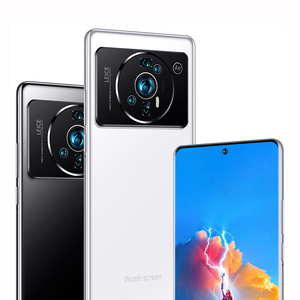
Best Gift for Kids Gaming Drawing Rugged Android Phone 3G+64GB Smartphone 6.8 Inch Dual Sim Cards 4G Mobile Phones
Get a Quote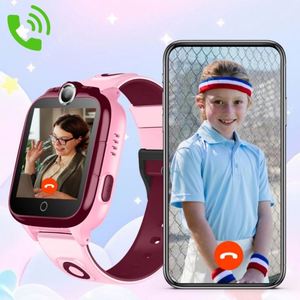
4G D63 Kids Smart Watch with Video Call SOS Button LBS+Wifi Positioning Waterproof Parental Care D63 Smartwatch for Children
Get a Quote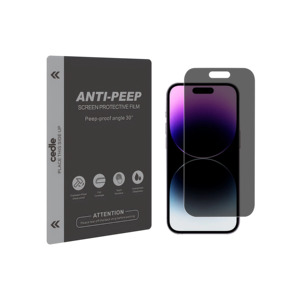
For Soft Matte PET TPU Privacy Screen Protector For 17 Pro Max With Anti-Oil & Anti-Scratch Features
Get a Quote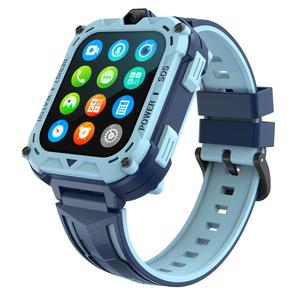
ZP 4G Android Children's Watch Kid Watch Parental Controls Dual SIM Card SOS GPS Location Tracker Video Call Touchscreen IP67
Get a Quote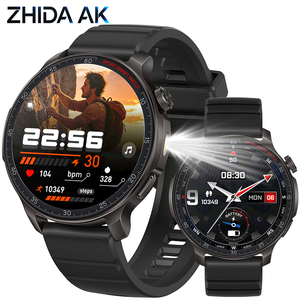
New HT48 Round Smartwatch 1.46-inch BT Call 1000mAh Sleep Exercise Monitoring Flashlight IP68 Waterproof Smartwatch Men's ODM
Get a Quote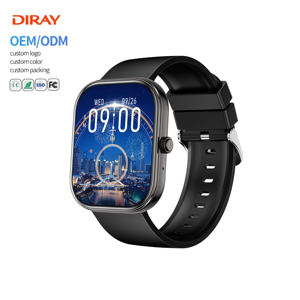
S3 Fitness Smart Watch 1.83 Inch IPS HD Display 100+ Sports Modes Heart Rate SpO2 Sleep Monitor IP68 Waterproof BT Call
Get a Quote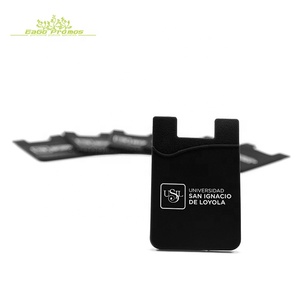
2026 Christmas Gift Useful and Cute Silicone Smart Phone Wallet Case, reusable Phone Holder Pouch With 3m Sticker
Get a Quote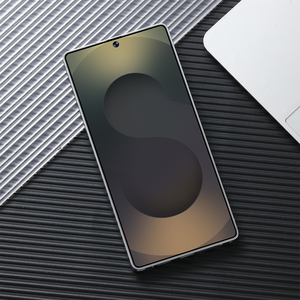
Executive Procurement Whitepaper: Evaluating the Global Screen Protection Manufacturing Landscape
In the highly competitive consumer electronics accessory sector, sourcing managers, OEM procurement heads, and enterprise distributors face severe yield variance when selecting a tempered glass protector factory and supplier. What appears on the surface to be a simple commodity product involves complex solid-state physics, chemical glass toughening dynamics, precision micro-machining, and surface oleophobic chemistry.
This industry intelligence whitepaper establishes a data-driven evaluation matrix for vetting Tier-1 manufacturing partners. By auditing factors such as potassium nitrate (KNO₃) molten bath purification cycles, high-alumina silicate glass composition, plasma electroplating efficiency, and automated optical inspection (AOI) pass rates, enterprise procurement teams can eliminate supply chain bottlenecks and protect brand margin integrity.
Information Gain Insight: Soda-Lime Glass vs. High-Alumina Silicate Glass
Standard budget manufacturers utilize low-cost Soda-Lime glass (containing ~70% SiO₂ and 15% Na₂O). Tier-1 industrial factories utilize High-Alumina Silicate Glass enriched with 10-15% Al₂O₃. The presence of alumina expands the glass matrix network, allowing larger potassium ions ($K^+$) to swap with smaller sodium ions ($Na^+$) during chemical tempering. This yields up to 400% higher surface compressive stress ($\ge 650\text{ MPa}$) and deeper stress layer depth (CS/DOL values exceeding $45\mu m$).
Tier-1 Factory Audit: The 6-Step Chemical & Mechanical Production Pipeline
Understanding the manufacturing rigor inside an ISO-certified screen protector plant is critical to identifying suppliers capable of maintaining batch-to-batch consistency. Below is the technical breakdown of a world-class manufacturing workflow:
1. CNC Precision Chamfering
Raw sheets are micro-cut using high-speed diamond CNC routers to establish 2.5D or 3D curved contour edges. Precision edge polishing eliminates micro-fractures that cause perimeter chipping during drop impacts.
2. Potassium Nitrate Tempering
Glass substrates submerge in a pure $KNO_3$ molten bath heated between 410°C–440°C for 4 to 6 hours. Ion exchange creates massive surface tension, elevating scratch resistance to Mohs Hardness 9H.
3. Vacuum Electroplating (AF)
Rather than spray-coating, top factories deploy Vacuum Magnetron Sputtering or Electroplating to deposit fluorosilane oleophobic molecules. This guarantees silky tactile responsiveness and oil resistance exceeding 15,000 abrasion cycles.
4. AB Glue Lamination
Applied in Class 100 dust-free cleanrooms, premium optical-grade Japanese Toyo AB Silicone Glue ensures instant bubble-free exhaust and high light transmittance (>92%) without border light leaks.
5. Automated Optical Inspection
High-resolution camera rigs scan every unit for Newton rings, particle contamination, optical haze, or edge micro-burrs. Defective units are rejected prior to final packaging.
6. ESD Dust-Free Packaging
Final alignment trays, dust removal stickers, and tempered glass assemblies are sealed under anti-static ambient conditions to prevent end-user installation failures.
B2B Vendor Comparison: Tier-1, Tier-2, and Low-Cost Glass Suppliers
When evaluating vendor quotes, sourcing directors must look beyond unit prices. Below is an industrial capability comparison matrix outlining key performance parameters across different supplier tiers.
| Evaluation Benchmark | Tier-1 OEM Factory (Industry Leader) | Tier-2 Standard Manufacturer | Low-End Commodity Vendor |
|---|---|---|---|
| Substrate Material | High-Alumina Silicate / Corning Glass | Standard Soda-Lime Glass | Recycled / Low-Grade Sheet Glass |
| Tempering Depth (DOL) | $\ge 40 \mu m$ (4.5 - 6 Hours Bath) | $15 - 25 \mu m$ (2 Hours Bath) | $< 10 \mu m$ (Thermal Flash) |
| Drop Test Resilience | 64g Steel Ball / 120cm Height Drop Pass | 64g Steel Ball / 60cm Height Drop | 32g Steel Ball / 30cm Height Drop |
| Oleophobic Coating Method | AF Plasma Electroplating (15,000+ rubs) | Spray Coating (3,000 rubs) | Hand Dip Coating (< 1,000 rubs) |
| Edge Pressure Resistance | Passes 15kg to 20kg Edge Load Test | Passes 5kg to 8kg Edge Load | Fails under 3kg Edge Pressure |
| Factory Cleanroom Class | ISO Class 5 (Class 100) Cleanroom | ISO Class 7 (Class 10,000) | Standard Unfiltered Workshop |
Emerging Technology & Manufacturing Trends (2026–2030 Horizon)
Driven by evolving smartphone display technologies (such as curved OLEDs, under-display ultrasonic fingerprint sensors, and ultra-thin flexible screens), glass protector factories are undergoing rapid technological shifts. B2B buyers must align with suppliers investing in the following future-proof innovations:
1. Micro-Louver Optical Privacy Tech (28° Angle Cut-off)
Modern privacy screen protectors integrate high-density micro-louver optical layers. As smart mobile devices process sensitive financial and corporate data, advanced 28-degree anti-spy filters prevent visual eavesdropping from lateral angles without causing screen graininess or reducing display brightness for the direct viewer.
2. AR Magnetron Sputtering Coating (Anti-Reflective Technology)
Next-generation outdoor display readability demands Anti-Reflective (AR) optical coatings. By utilizing vacuum magnetron sputtering to deposit alternating dielectric thin films, factories reduce surface reflection from standard 4.5% down to under 0.5%, enhancing color contrast under direct sunlight.
3. Automated Dust-Elimination Installation Frameworks
The retail market has shifted away from standalone glass films toward integrated tray alignment boxes. Modern factories now manufacture enclosed auto-alignment kits featuring automatic dust-pulling strips, yielding a 99.9% first-time installation success rate for retail consumers.
4. Eco-Conscious & Sustainable Production (Green OEM)
ESG compliance is becoming a strict audit requirement for tier-1 brand supply chains. Factories are migrating toward biodegradable cornstarch-based alignment frames, closed-loop water filtration for glass grinding machinery, and recycled PET carrier liners.
Our Manufacturing Excellence: Your Strategic OEM Partner
As an industry-leading tempered glass protector factory and supplier, our manufacturing campus combines automated high-speed production facilities with rigorous quality assurance protocols. We specialize in custom OEM/ODM solutions tailored for brand holders, telecom carriers, and global retail chains.
Scalable High Volume Output
Equipped with 120+ CNC high-precision edge-grinding units and automated chemical tempering furnaces, our daily production capacity exceeds 350,000 units, guaranteeing rapid lead times for high-volume orders.
Custom Branding & Retail Packaging
From localized retail presentation boxes to customized alignment trays, anti-counterfeit holographic labels, and barcoding, we offer turn-key white-label solutions engineered for immediate retail placement.
Strict Quality Assurance (QA)
Our in-house reliability laboratory conducts rigorous batch testing, including water drop contact angle analysis, 1000g steel wool friction abrasion tests, 4D curvature tolerance mapping, and impact drop tests.
Frequently Asked Procurement Questions (B2B Sourcing Guide)
Answers to critical technical, logistics, and quality assurance questions raised by enterprise buyers during supplier evaluation.
Partner with a Leading Tempered Glass Factory Today
Direct factory pricing, uncompromised quality standards, and fully customized OEM/ODM programs tailored for global distributors. Contact our engineering team for sample kits and instant quotations.
Get a Quote