Featured CE-Certified Kids Smartwatches & Mobile Devices
Turnkey hardware solutions engineered specifically for pediatric ergonomic standards, RF safety compliance, and parent-managed sandbox environments.
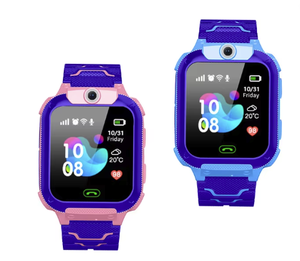
Q12B Waterproof Kids Smart Watch SOS Anti-Lost 2G SIM Location Tracker
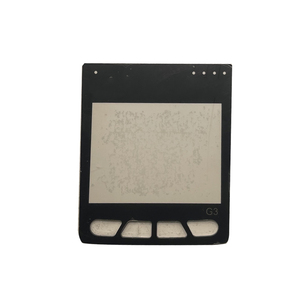
High Quality G3 HD Transparent Anti-Scratch Lenz Screen Protector
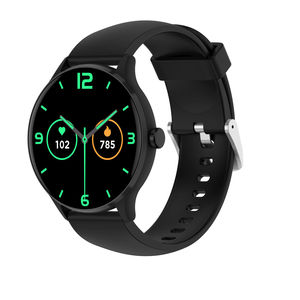
Reloj Inteligente Smartwatch IP68 Waterproof 1.26" BT Call Flashlight
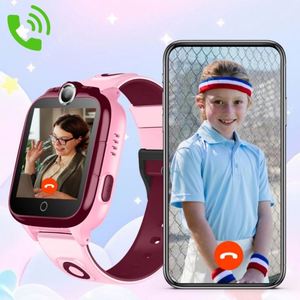
4G D63 Kids Smart Watch Video Call SOS Button LBS+WiFi Positioning
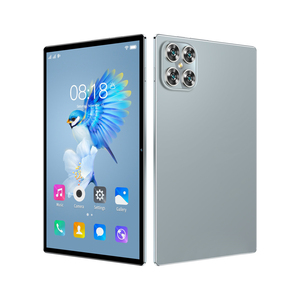
K11 10 Inch MTK Octa Core Rugged Educational Kids Tablet Phone 8GB+256GB
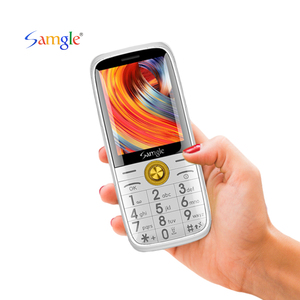
Samgle 2.4 Inch Screen Rugged Keypad Feature Phone for Children & Seniors
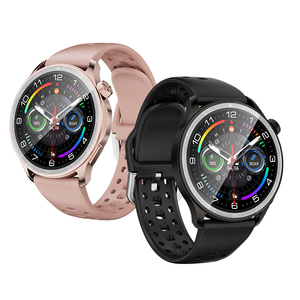
Customizable AW83 Smartwatch 1.43" AMOLED AI Translation & BT Call
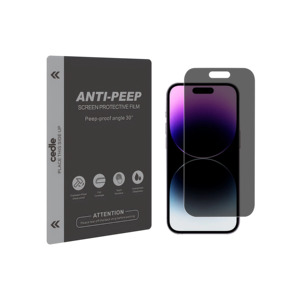
Soft Matte PET TPU Privacy Anti-Scratch Screen Protection Film Series
Navigating the CE Certified Kids Cell Phone Manufacturing Ecosystem
In the rapidly expanding market for child safety wearables and cellular communication devices, procurement directors, telecom operators, and brand importers face an intricate landscape of stringent EU regulatory hurdles, radio frequency safety mandates, and software sandboxing requirements. Unlike standard adult smartphones or mass-market consumer IoT gadgets, manufacturing a CE-certified kids cell phone or GPS smartwatch demands a ground-up engineering philosophy centered on pediatric electromagnetic radiation limits, non-toxic materials science, and tamper-resistant firmware architecture.
As a premier OEM/ODM manufacturing facility specializing in kid-safe telecommunications, our engineering operations integrate strict compliance with European Union directives including the Radio Equipment Directive (RED) 2014/53/EU, EN 71-3 toy safety heavy metal limits, and Specific Absorption Rate (SAR) limits under EN 62209-2. This technical whitepaper explores the critical hardware design parameters, upcoming global procurement trends, regulatory testing benchmarks, and enterprise factory capabilities required to deliver market-leading, safe connected tech for the next generation.
Core Procurement Takeaway: True safety in children's mobile hardware cannot be achieved via post-market app installation alone. It requires platform-level hardware architecture where the web browser, open app stores, and unverified social media protocols are excised at the ROM level during factory SMT flash programming.
The Technical Pillars of CE Certification for Children's Phones
To lawfully place a children's cell phone or GPS wearable into the European Economic Area (EEA), device manufacturers must execute rigorous conformity assessment procedures. A authentic CE Mark for pediatric cellular hardware represents far more than a simple logo declaration; it mandates verified compliance across four vital engineering domains:
1. RF Energy & SAR Radiation Limits (EN 62209-2 / EN 50566)
Children possess thinner cranial bones and higher tissue dielectric properties than adults, resulting in greater electromagnetic energy absorption per unit volume. CE RED compliance mandates that localized Head SAR and Limb/Body SAR must not exceed 2.0 W/kg (averaged over 10g of tissue). Advanced OEM factories utilize customized antenna matching networks (FPC / LDS antennas) coupled with dynamic RF power back-off algorithms that throttle transmission power during close-range head usage.
2. Chemical & Material Safety (EN 71-3 / REACH / RoHS)
Because young children frequently chew on wristbands or device corners, all external housing materials—including food-grade liquid silicone rubber (LSR) straps, polycarbonate chassis, and screen adhesives—must pass strict chemical migration testing. Testing ensures zero detectable levels of phthalates, polycyclic aromatic hydrocarbons (PAHs), heavy metals (Lead, Cadmium, Mercury), and nickel release under EN 1811.
3. Battery Electrical Safety (EN 62368-1 & IEC 62133)
Lithium-ion polymer battery cells integrated into kids cell phones must be protected by dual IC Hardware Protection Boards (PCM). They undergo intensive thermal abuse, crush, external short-circuit, and 1.5-meter drop testing to guarantee zero risk of thermal runaway or casing puncture during active play.
4. Cybersecurity & GDPR (ETSI EN 303 645)
The EU Cyber Resilience Act and ETSI EN 303 645 mandate strict IoT cyber hygiene. Kids cell phones produced in premier facilities feature encrypted TLS 1.3 telemetry communication, mandatory initial password changes, zero default root access, and localized AWS/Azure cloud backend servers complying with EU GDPR child data protection laws.
Future Procurement Trends in Children's Connected Devices
Analysis of shifting buyer behavior, regulatory evolution, and hardware architecture trends shaping B2B sourcing over the next decade.
Custom "Zero-Browser" Operating Systems
Global distributors are moving away from stock Android smartphones. Modern procurement specifications prioritize custom AOSP (Android Open Source Project) micro-builds or RTOS environments that physically lack web browser engines (WebKit/Blink) and open app stores, eliminating exposure to objectionable digital content.
Multi-Modal Indoor/Outdoor Positioning
Legacy LBS-only tracking is obsolete. B2B buyers now demand high-precision hybrid positioning engines combining GPS (L1+L5 dual-band), Wi-Fi 802.11 b/g/n RSSI scanning, Cell Tower Triangulation, and BLE beacon tracking to deliver sub-5 meter location accuracy inside shopping malls and multi-story school buildings.
AI-Edge Content Filtering & Smart Telemetry
Integrating lightweight on-device AI algorithms allows real-time text analysis for messaging apps (such as Gabb Messenger architecture). The NPU filters cyberbullying phrases, self-harm keywords, and inappropriate media locally before transmission, alerting designated parent mobile applications automatically.
VoLTE 4G & 5G Standalone Transition
With 2G and 3G network sunsetting across Europe, North America, and APAC, factory production lines have completely transitioned to 4G LTE Cat-1 and LTE-M chipsets supporting VoLTE HD crystal-clear audio calling, video conferencing, and low-latency emergency SOS broadcasting.
Gamified Healthy Habits & Active Living
Modern devices combine physical safety with positive digital wellness. Built-in 3-axis accelerometers drive gamified step-tracking applications (like Gabb Go), encourage chore completion with reward tokens, and foster active lifestyle habits without addictive digital feedback loops.
Circular Economy & Certified Refurbishment
Large enterprise buyers are deploying factory-backed refurbishing programs. By providing modular replacement silicone bands, recased IP68 shells, and standardized battery swap protocols, manufacturers enable sustainable device lifecycles that lower ownership costs for eco-conscious families.
Kid-Safe Mobile Hardware Architecture Comparison
A detailed technical overview comparing mainstream kids hardware tiers to assist brand managers and procurement specialists in selecting the optimal platform.
| Engineering Parameter | Basic 2G/3G Smart Tracker | 4G LTE Kids GPS Smartwatch | Sandboxed Tween Smartphone |
|---|---|---|---|
| Target Age Group | Ages 4–8 | Ages 5–12 | Ages 9–14 |
| Cellular Connectivity | 2G GSM (850/900/1800/1900) | 4G LTE Cat-1 + VoLTE (B1/B3/B7/B8/B20) | 4G/5G Full Global Band Support |
| CE RED & SAR Limits | < 1.8 W/kg (EN 62209-2) | < 1.2 W/kg (EN 62209-2 Head/Body) | < 1.4 W/kg (EN 50566) |
| Ingress Protection | IP65 Splash Proof | IP68 Waterproof (1.5m / 30 mins) | IP54 Dust & Splash Resistant |
| Operating System | RTOS (ThreadX / FreeRTOS) | Custom Sandboxed AOSP (Android) | Locked Gabb OS / Sandbox Android |
| Web Browser Access | ✖ Strictly Zero Access | ✖ Strictly Zero Access | ✖ Strictly Zero Access |
| Parental Control Hub | SMS Commands / Basic App | Encrypted Parent App (MyGabb System) | Centralized Cloud Management App |
| Battery Capacity & Type | 400mAh Li-Polymer | 680mAh–800mAh High-Density Cell | 2500mAh–3500mAh BMS Protected |
State-of-the-Art Production & Quality Control
Our ISO 9001 and ISO 14001 certified manufacturing facilities operate automated high-speed SMT (Surface Mount Technology) assembly lines equipped with 3D AOI (Automated Optical Inspection), SPI (Solder Paste Inspection), and dedicated RF wireless testing chambers (Agilent / Rohde & Schwarz).
Every kids cell phone and smartwatch undergoes exhaustive reliability testing prior to packaging:
- Thermal Shock Test: -20°C to +60°C rapid temperature cycling (48 Hours)
- Drop & Impact Resistance: 1.5-meter concrete drop test across 6 face orientations
- Button Cycle Lifespan: 100,000+ continuous mechanical key presses
- Water Resistance Verification: 100% automated pressure differential chamber testing
End-to-End Brand Empowerment
We offer international telecom carriers, retail brands, and educational institutions complete white-label software and hardware solutions tailored to specific market demands.
Custom Casing & Ergonomics
Pantone-matched non-toxic silicone bands, laser-etched logos, and custom anti-scratch screen protectors.
Firmware & UI Flashing
Custom boot animations, preloaded language packs, localized emergency numbers (112 / 911), and custom server IP configuration.
Regulatory Certification Support
Complete technical construction files (TCF), CE RED test reports, FCC ID filings, and RoHS/REACH documentation provided for seamless customs clearance.
Frequently Asked Questions (B2B Sourcing & Manufacturing)
Expert answers to common engineering, compliance, and ordering questions from international buyers and brand managers.
What is the standard lead time for CE-certified OEM kids smartwatch production? +
For standard white-label orders using existing CE-approved tooling and PCB layouts, mass production lead time is typically 25 to 30 calendar days following sample sign-off and deposit confirmation. Custom ODM projects requiring bespoke industrial design (ID), plastic injection mold creation, and full CE RED testing lab certification require approximately 60 to 75 days from concept freeze to initial mass production.
How do your factories ensure SAR compliance for children's head and body limits? +
Our engineering team utilizes advanced ANSYS HFSS electromagnetic simulation tools during antenna design. We position flexible printed circuit (FPC) or laser direct structuring (LDS) antennas at the maximum physical distance from the child’s skull or wrist contact surface. Furthermore, our firmware includes power-density sensor algorithms that dynamically step down RF output power during continuous voice or video transmission, guaranteeing localized SAR levels remain well below the EU 2.0 W/kg (10g) threshold.
Can the factory pre-flash custom Android/AOSP builds to block web browsing and social media? +
Yes. Over 80% of our OEM production lines flash customized, hardened AOSP ROMs. We completely strip Google Play Services (GMS), native web browsers (Chrome/WebKit), open app store installers, and unencrypted third-party APK execution capabilities during factory programming. Devices ship with parent-controlled whitelist-only communication protocols, ensuring children cannot bypass system settings or access unauthorized web portals.
What are the minimum order quantities (MOQ) for custom branding and packaging? +
Our standard Minimum Order Quantity (MOQ) for custom silk-screened logos, customized packaging boxes, and pre-loaded localized software is 1,000 units per model. For deep hardware modifications, custom silicone color matching (Pantone), or bespoke mold modifications, the MOQ is 3,000 units. Sample evaluation units with factory default configuration can be dispatched within 3 to 5 business days.
Do your devices support global 4G bands and eSIM integration? +
Yes. Our 4G device line utilizes multi-band LTE chipsets (e.g., ASR, Spreadtrum/UNISOC, or MTK) configurable for European bands (B1/B3/B7/B8/B20), North American bands (B2/B4/B5/B12/B66/B71), or APAC frequencies. We also manufacture hardware platforms supporting integrated eUICC (eSIM) chips, allowing telecommunication operators to provision cellular profiles over-the-air (OTA) without requiring a physical Nano-SIM tray.
What documentation is provided for EU customs clearance and compliance audits? +
Every shipment includes a complete compliance dossier consisting of the EU Declaration of Conformity (DoC), CE-RED Test Reports issued by accredited ISO 17025 testing laboratories (Notified Bodies), RoHS chemical safety test reports, REACH SVHC declarations, UN38.3 lithium battery transport test certificates, and MSDS safety data sheets.
How is parental tracking data secured against unauthorized access? +
Data privacy is integral to our architecture. Device-to-cloud telemetry uses AES-256 data encryption over TLS 1.3 secure sockets. We provide options for enterprise clients to host backend parental management servers on local cloud infrastructure (e.g., AWS Frankfurt for EU clients), adhering strictly to GDPR Article 32 mandates for personal data security.
What IP waterproof ratings do your kids smartwatches achieve? +
Our flagship 4G kids smartwatches feature IP68 water and dust ingress protection. Utilizing double-injection molding, acoustic waterproof membranes for speakers and microphones, and specialized silicone O-ring sealing, devices survive immersion in fresh water up to 1.5 meters for 30 minutes, protecting against rain, handwashing, and accidental submersion.
Partner with a Premier CE Certified Kids Phone Factory
Accelerate your market launch with verified CE-compliant hardware, custom sandboxed OS solutions, and robust OEM/ODM manufacturing capability. Contact our engineering team today for technical specifications, product samples, and instant factory quotes.